






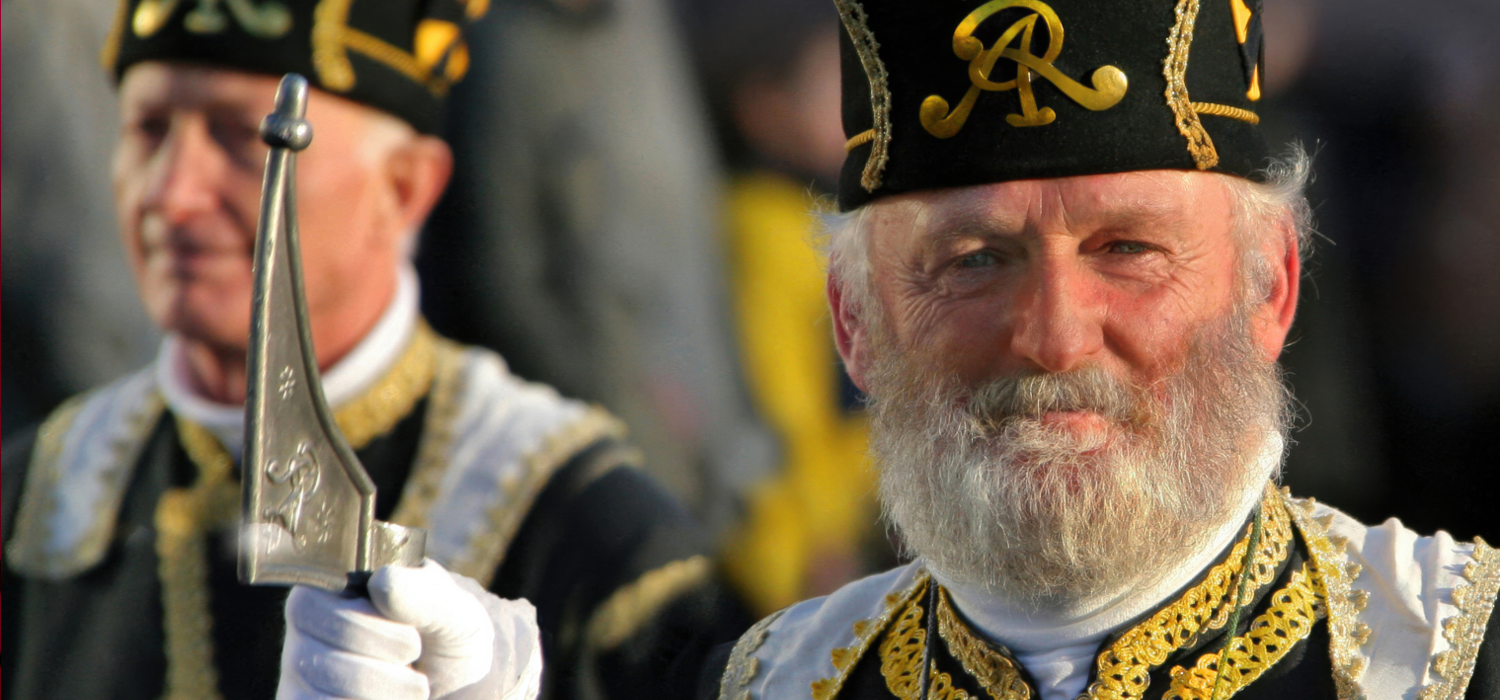
An unprecedented boom began as early as the 12th century with the discovery of silver in the Ore Mountains. Cities such as Freiberg and Annaberg-Buchholz became centers of mining and later also of science. The founding of the TU Bergakademie Freiberg in 1765 - the oldest mining science university in the world - underlines the deep roots of the subject in the state
In addition to silver, Saxony also mined tin, cobalt, uranium and hard coal. The wealth of mineral resources made the state a driving force for innovation in Europe: early steam pumps, modern mining methods and metalworking technologies all began here. Saxony's mining industry was not only a source of prosperity, but also a driving force for education, culture and technical progress.
Today, mining in Saxony is experiencing a renaissance - albeit with a new twist. Rare earths and lithium are becoming increasingly important in view of the energy transition and electromobility. Saxon companies and research institutions are working on sustainable mining methods to responsibly extract the raw materials of tomorrow.
In this way, Saxony combines history and the future in a unique way. Mining remains more than just a chapter in the past - it is a living part of Saxony's identity and a significant contribution to the European raw materials industry.
Picture sponsorship

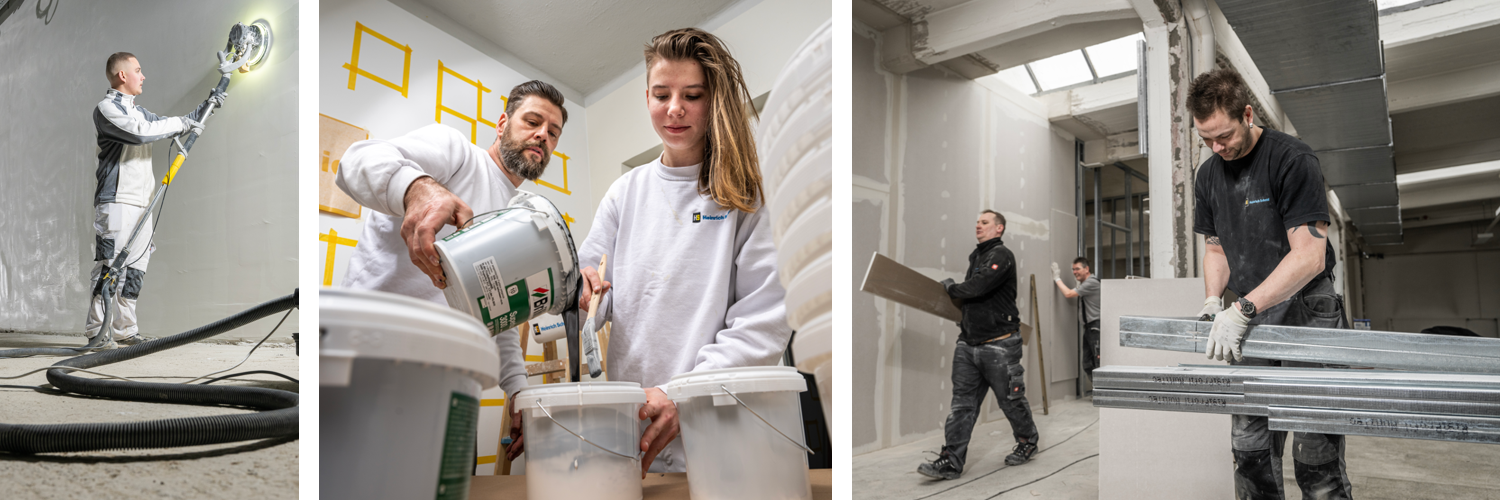
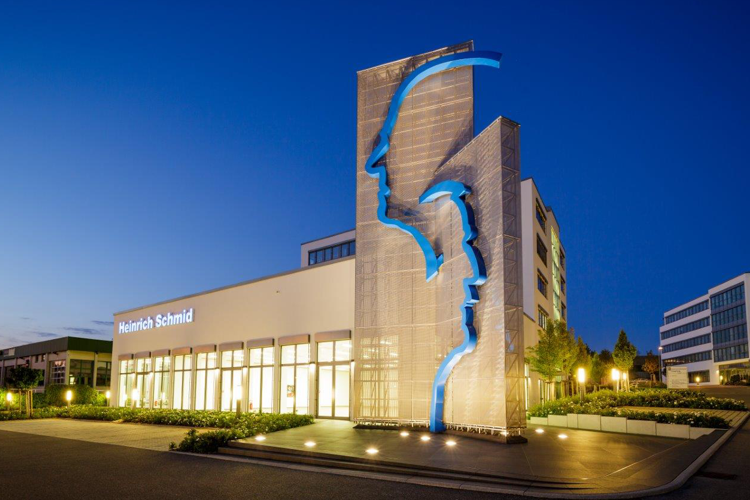
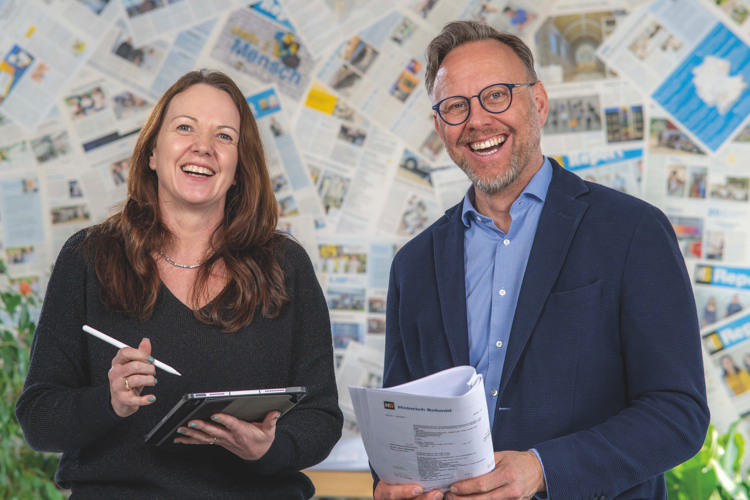
SCHAU REIN!Heinrich Schmid
As the main partner of the “Saxony in the Carrousel du Louvre” project, Heinrich Schmid brings not only craftsmanship excellence but also Saxon building culture to Paris.